|
 Obesity is one of the most common diseases in the world. It is especially hazardous as it puts one at a risk for other diseases and serious ailments like heart disease, joint problems, several types of cancers, gallstones, and liver diseases. It also decreases one�s immunity towards diseases and the body has to work much harder to execute simple day to day task. While it is best to loose weight through a proper diet and exercise, it is not always viable to do so. This is especially true in case of extreme obesity. For such patients, bariatric surgeries, also known as obesity surgeries or weight loss surgeries are a life saver. Obesity is one of the most common diseases in the world. It is especially hazardous as it puts one at a risk for other diseases and serious ailments like heart disease, joint problems, several types of cancers, gallstones, and liver diseases. It also decreases one�s immunity towards diseases and the body has to work much harder to execute simple day to day task. While it is best to loose weight through a proper diet and exercise, it is not always viable to do so. This is especially true in case of extreme obesity. For such patients, bariatric surgeries, also known as obesity surgeries or weight loss surgeries are a life saver.
Obesity is one of the most common diseases in the world. It is especially hazardous as it puts one at a risk for other diseases and serious ailments like heart disease, joint problems, several types of cancers, gallstones, and liver diseases. It also decreases one�s immunity towards diseases and the body has to work much harder to execute simple day to day task. While it is best to loose weight through a proper diet and exercise, it is not always viable to do so. This is especially true in case of extreme obesity. For such patients, bariatric surgeries, also known as obesity surgeries or weight loss surgeries are a life saver.
Procedure
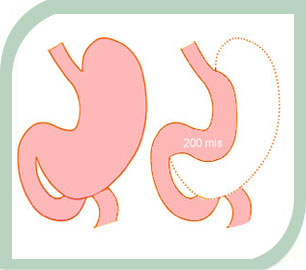
One of these bariatric surgeries is known as Laparoscopic Sleeve Gastrectomy. Almost 85% of the stomach is removed in this surgery by vertically dividing a narrow tube of the stomach. A part of the stomach which is in continuity with the food pipe is retained. The portion that is outside food pipe or oesophagus is removed. The fundus is also removed in addition. In short, a new stomach pouch is fashioned by vertically dividing the stomach. That is why this procedure is also known as Vertical Gastrectomy. Other names for this weight loss surgery include Greater Curvature Gastrectomy, Parietal Gastrectomy, Gastric Reduction or Vertical Gastroplasty.
Advantages of Sleeve Gastrectomy
This bariatric surgery is a safe and effective rapid weight loss procedure for higher-risk patients. Here are a few other advantages of Laparoscopic Sleeve Gastrectomy.
Ideal for patients with anemia, Crohn's disease, extensive prior surgery, and other such medical complications.
It is ideal for those with higher BMI than 60Kg/m2 as other obesity surgeries may not be as effective.
Hunger reduces substantially as the fundus that secretes the hormone responsible for it is removed.
The function of the stomach and process of digestion remains the same since the only change is in the volume of the stomach.
The intestine is left untouched. Therefore there is no hindrance in absorption of mineral and vitamins. This also minimizes chances of blockage, anemia, protein and vitamin deficiency, and osteoporosis.
Post Operative Care
The patient needs to follow a strict diet after the procedure to see desired results. A liquid diet is advised for at least 2 weeks after the surgery. This is followed by a 600-800 calorie diet that includes solids. Once the patient achieves the target weight, they can consume approximately 1000-1200 calories per day. Reaching target weight is a process that takes time (1-2 years) and most patients loose 60-80% of their excess weight.
| SPECIALITIES /PROCEDURES |
Hospital Stay |
Single Room
(In US $) |
Twin Sharing
(In US $) |
| BARIATRIC SURGERY |
| 1) Laparoscopic Adjustable Gastric Banding |
2 Days |
6500 |
6000 |
Note:
- Prices are subject to change or withdrawal without notice.
- These are indicative prices only and may vary depending on the conditon of the patient, at the time of admission.
- Apollo will provide final estimates at the time of patient's admission.
- Single room is well furnished with Bed, Sofa-cum-Bed for Companion, Cupboard, Medicine Drawer, TV, Telephone and
Wi-fi facility for Internet access. Mobile phones are available on request.
- Stay and food for one Companion with patient in a Single Room is included in the above packages.
- Services like Mobile, Laundry etc. will be charged extra.
- Post-stay outside the Hospital is at the personal expense of the patient and is not included in the above prices.
- 1 US $ = INR 45
For more details about Laparoscopic Sleeve Gastrectomy or other Bariatric Surgeries, keep browsing IndiaProfile.com or send us a query.
|